

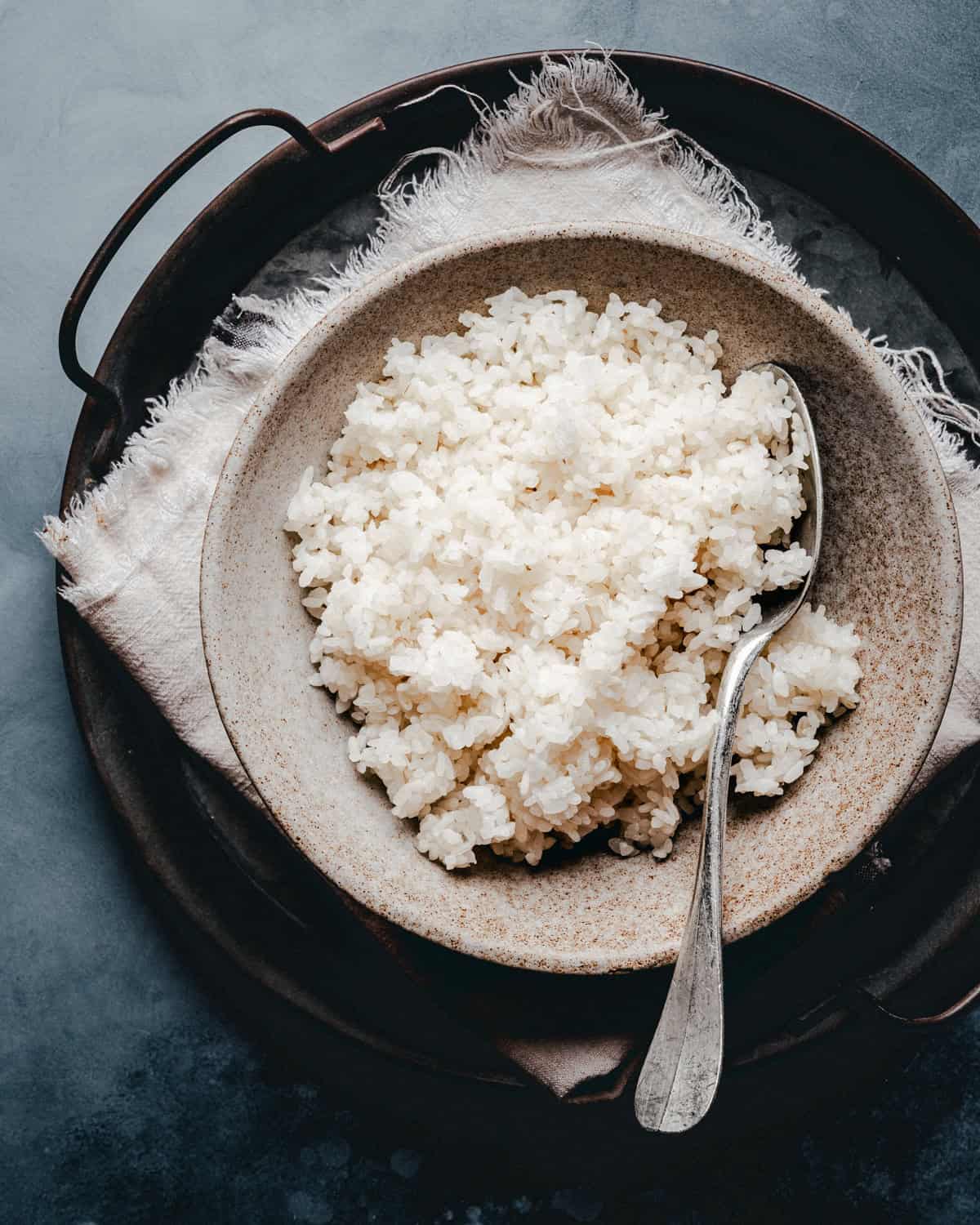
In just 40 minutes from start to finish, this easy Sushi Rice recipe combines short-grain rice with seasoned vinegar for perfectly sticky, flavorful rice you can use in all your homemade rolls and bowls.
This post may contain affiliate links. Please read our disclosure policy.
Once I learned how easy it is to make sushi rice at home, I stopped buying the pre-seasoned packets for good. The difference in flavor and texture is dramatic, and it’s surprisingly low-effort with the right technique.
This method is simple enough for weeknight sushi rolls and reliable enough to use anytime you want that classic, gently sweet, vinegary flavor and glossy finish. Whether you’re making nigiri, poke bowls, or inside-out rolls, it all starts here.
Table of Contents
Recipe at a Glance
- Hands-on time: 10 minutes
- Total time: 40 minutes
- Yields: about 6–8 servings
- Equipment: fine mesh strainer, saucepan, rice paddle or spatula
Sushi Rice Ingredients
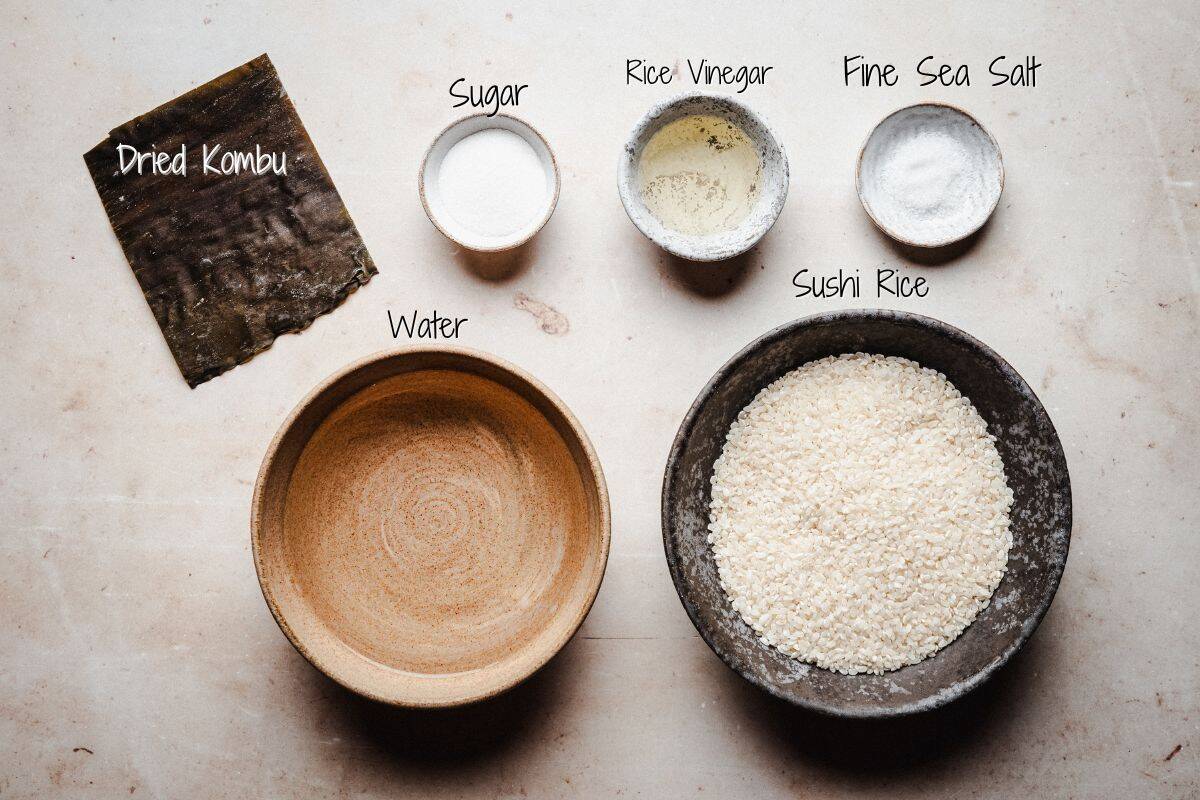
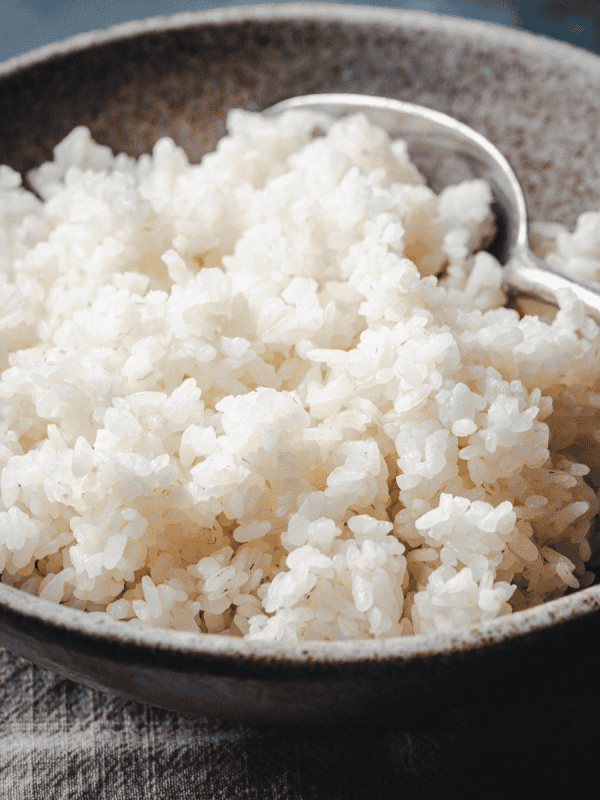
- Short-grain sushi rice: Look for labeled “sushi rice” or “Japanese short-grain rice.” It should be round, glossy, and slightly translucent.
- Water: Filtered water is best for both rinsing and cooking if you have it available.
- Rice vinegar: Use unseasoned rice vinegar so you can control the balance of salt and sugar.
- Sugar or honey: Either works. I use plain white sugar most often because I can dissolve it quickly and adjust to taste.
- Sea salt: Fine sea salt distributes more evenly through the vinegar mixture.
- Kombu: A dried piece of kelp that adds subtle umami. If you don’t have it, you can leave it out; your rice will still be great.
Why This Recipe Works
- Soaking the rice before cooking improves texture by allowing the grains to absorb water evenly.
- No rice cooker needed: This recipe is designed for cooking on the stovetop and doesn’t require any special equipment, just a pot with a tight-fitting lid.
- Cooking with kombu infuses the rice with a clean, savory depth, without tasting “seaweedy.”
- Seasoning the rice while it’s still hot helps the vinegar mixture absorb evenly.
- Folding gently (not stirring) keeps the grains intact and glossy.
- Covering with a damp cloth as it cools prevents the rice from drying out before use.
How to Make Sushi Rice
1. Rinse, soak, and cook
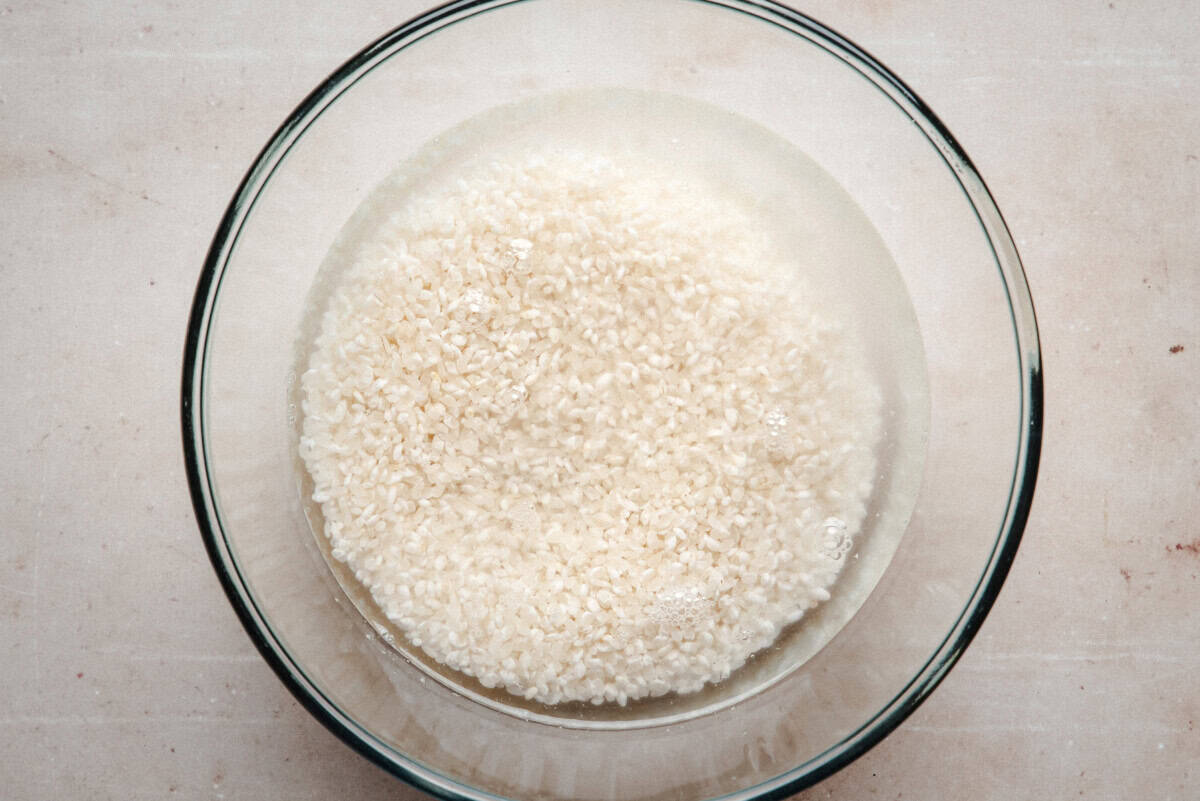
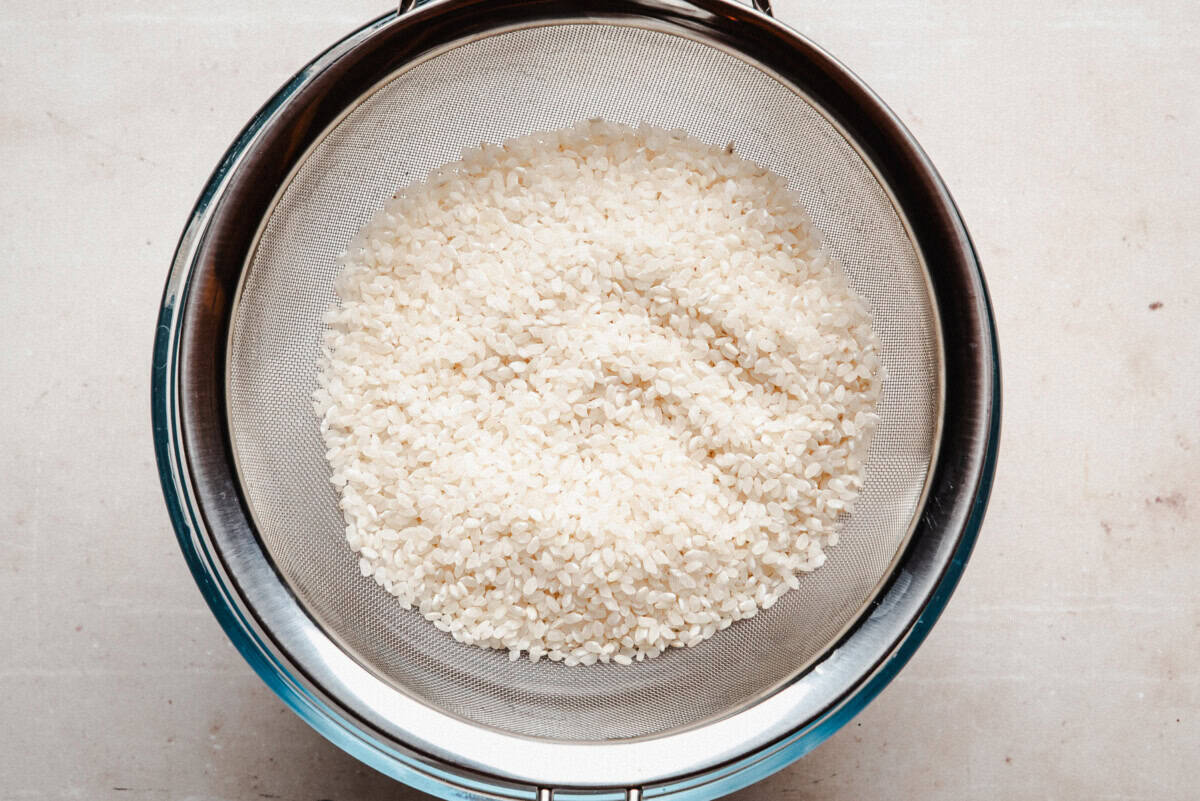
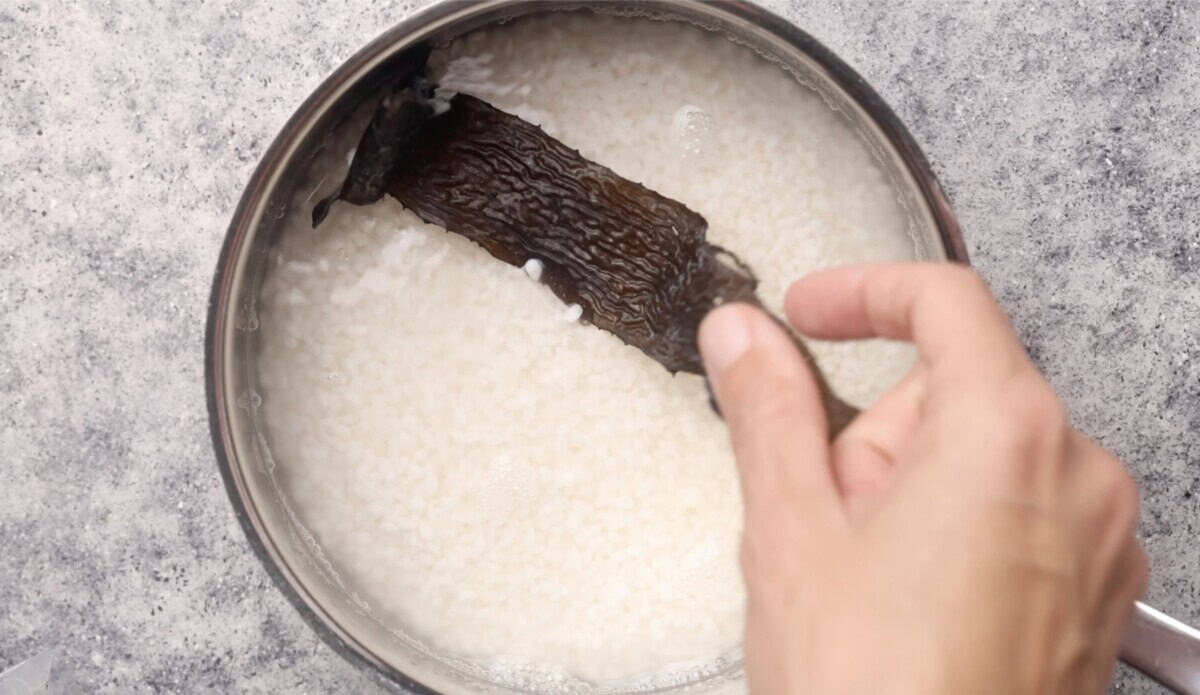
Rinse the rice until the water runs clear, soak it for 15 minutes. After rinsing several times, drain the rice well. You don’t want extra water throwing off the ratio. Then cook with water and a piece of kombu until tender.
2. Steam and season
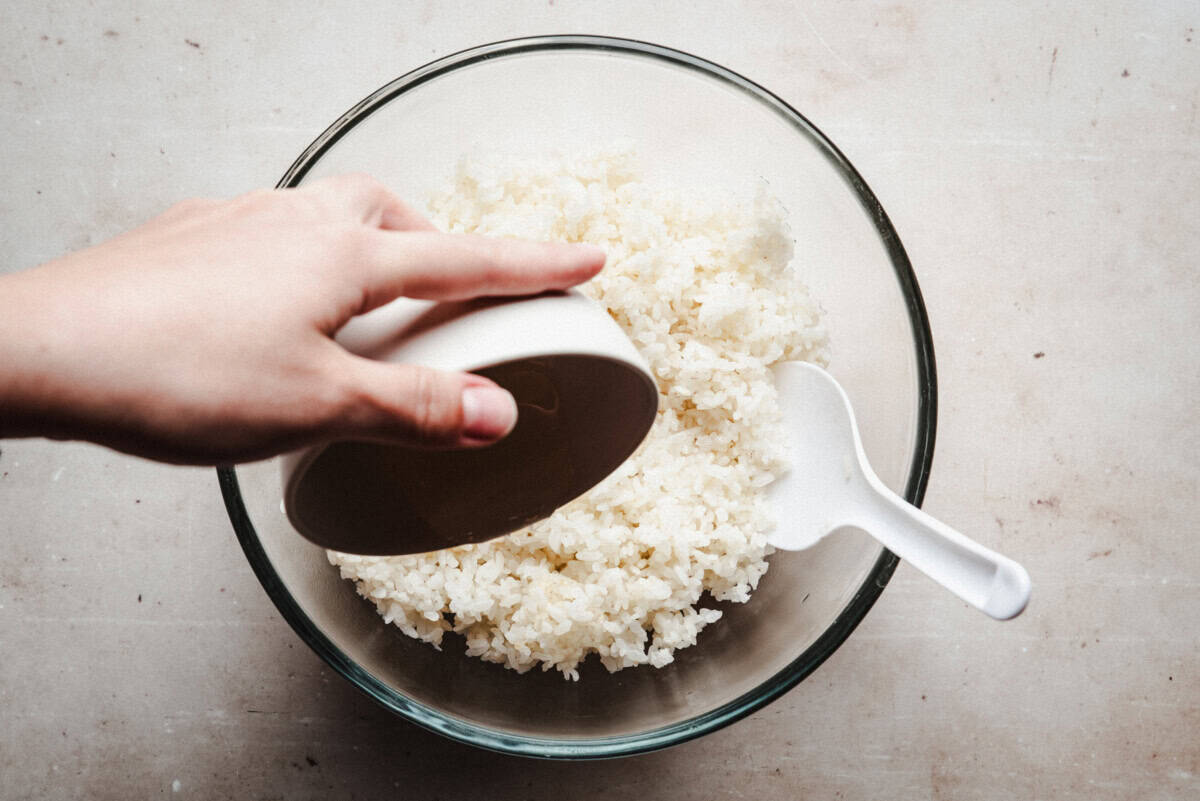
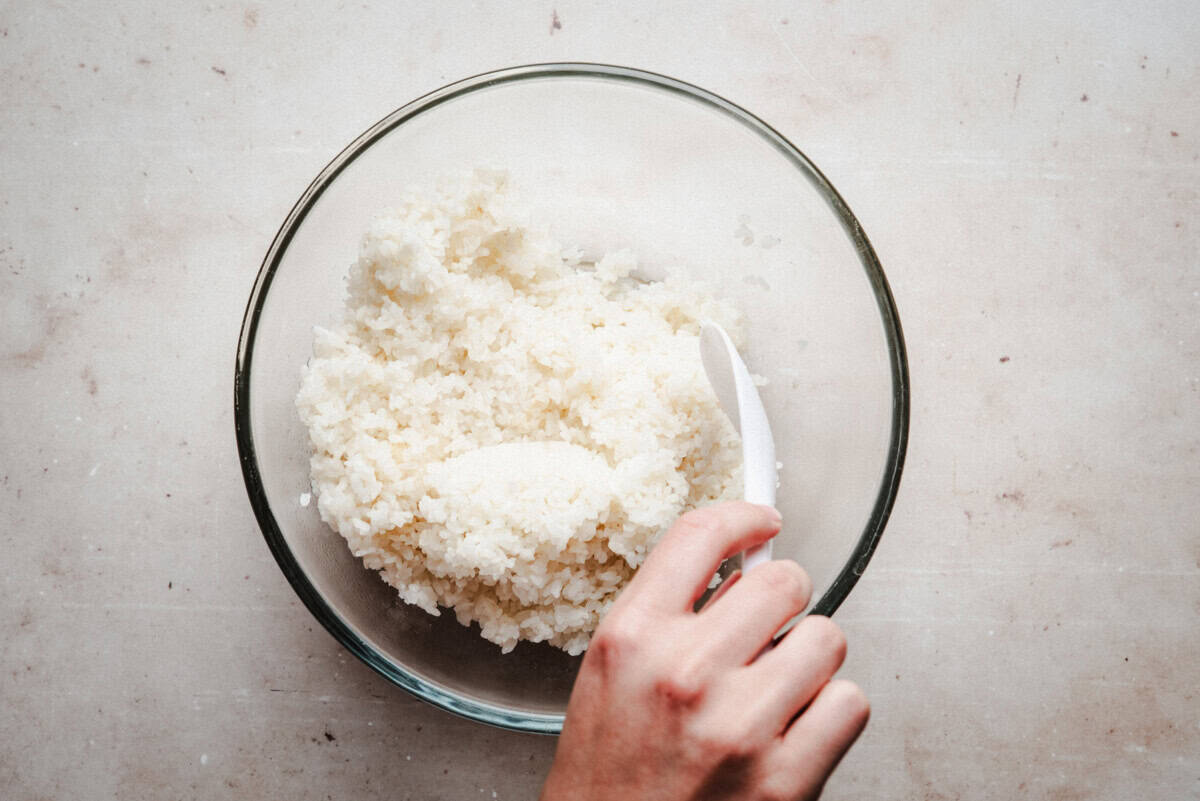
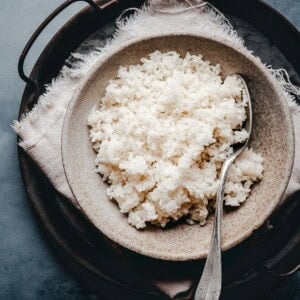
Let the cooked rice steam for 10 minutes off heat, then discard the kombu and fold in the vinegar mixture.
3. Cool and use
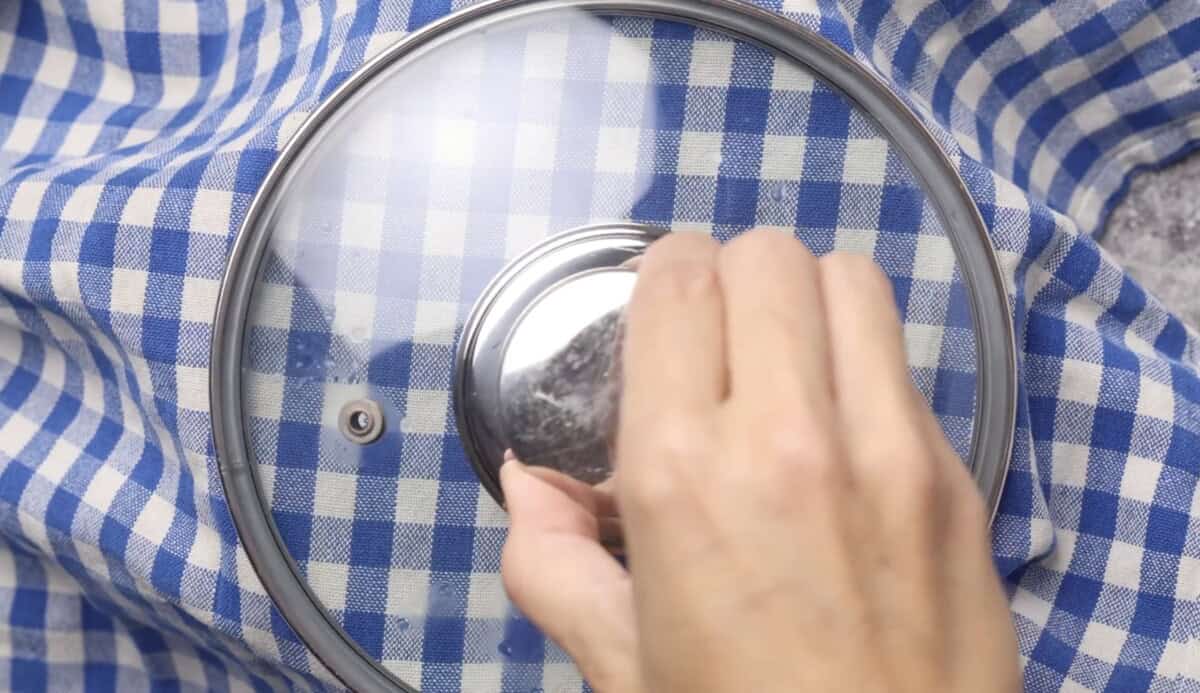
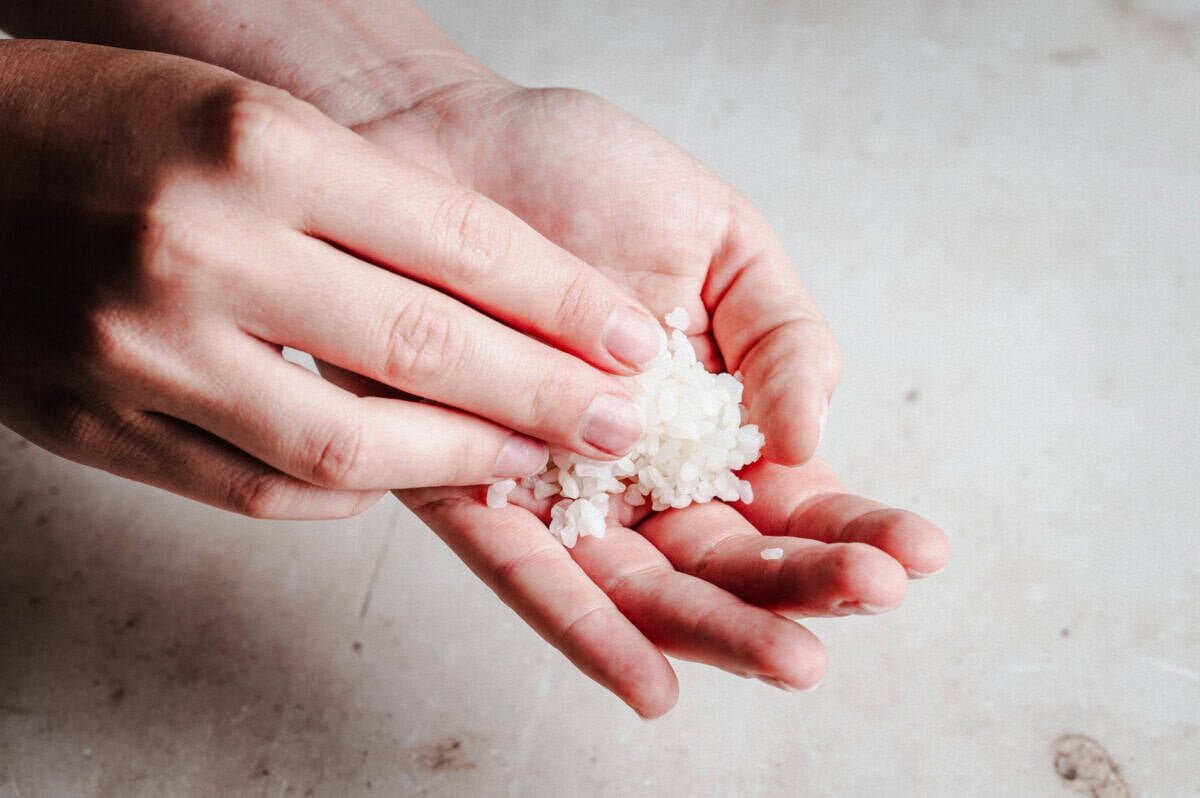
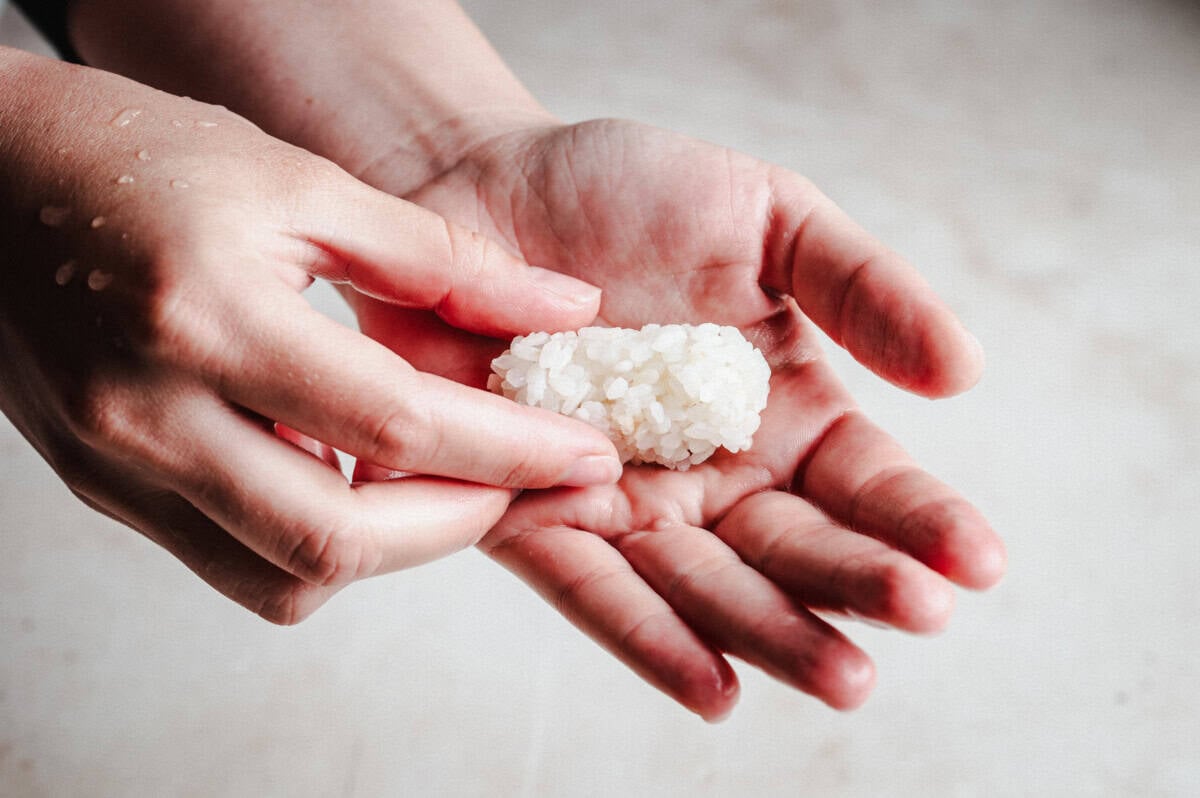
Cover the rice with a damp cloth to collect excess moisture and let it cool to room temperature before you hand roll into your favorite sushi.
Pro Tips
- Rinse thoroughly: I always rinse thoroughly until the water runs clear; it’s the best way to keep the texture from turning gummy.
- Give it room to cool: A wide bowl lets the rice cool evenly and stay fluffy.
- Towel trick matters: Tucking a towel under the lid as it steams helps manage moisture.
- Fold gently: I use a slicing and lifting motion to keep the grains shiny and intact.
- Wet your hands: Damp hands or utensils make shaping and serving easier.
Recipe Variations
- Rice Cooker: If you want to use your rice cooker, use my Rice Cooker Sushi Rice recipe instead.
- Seasoning swap: Try seasoned rice vinegar in a pinch, but skip the added sugar and salt.
- No kombu: Leave it out if you don’t have it, the rice will still taste great.
- Slightly sweeter rice: Use up to 1½ tablespoons sugar if you like it sweeter.
- Mirin option: Some recipes add mirin for sweetness, but I prefer the cleaner taste of sugar or honey here. If you
Make-Ahead and Storage
- Room temp hold: If your rice is already seasoned, keep it covered with a damp towel and use within 4 hours.
- Refrigerate: Transfer to an airtight container and refrigerate for up to 3 days. It will firm up, that’s normal. Let it sit at room temp for 20–30 minutes before shaping.
- Freeze: Portion while slightly warm, press out excess air, and freeze flat. Thaw overnight in the refrigerator and bring to room temp before using. Best within 1 month; usable for about 2 months.
- For meal prep: I often double a batch and freeze half for future sushi nights or quick rice bowls and nigiri during the week. If you’re using frozen sushi rice, thaw it in the refrigerator overnight and gently warm it in the microwave, just until it’s no longer cold.
FAQ
Too much water or overcooking can make it mushy; too little water or skipping the soaking step can leave it undercooked. Soaking and careful measuring help ensure the right texture. Done right, sushi rice should have a sticky texture that’s enough to hold its shape, but not be mushy.
Sushi rice should be used within 4 hours at room temperature. After that, the texture deteriorates and it’s no longer ideal for shaping.
Plan on about ¾ to 1 cup of cooked rice per person for sushi rolls or nigiri.
Sushi rice used to intimidate me. There were so many warnings about rinsing, ratios, and technique. But once I found a rhythm that worked, it became one of those recipes I don’t even have to think about. Now I batch it ahead and portion it out so it’s ready anytime we’re craving homemade sushi, whether that’s a few quick nigiri, veggie rolls wrapped in nori, or just a bowl with toppings. If you’ve been hesitant to try making your own sticky rice, I hope this version gives you the confidence to start. Let me know how it goes. I’d love to hear what you make with it.
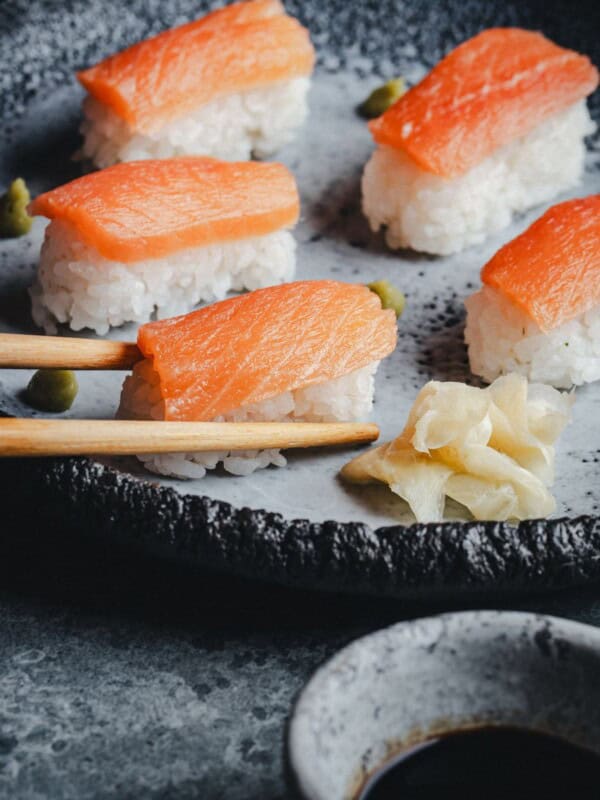
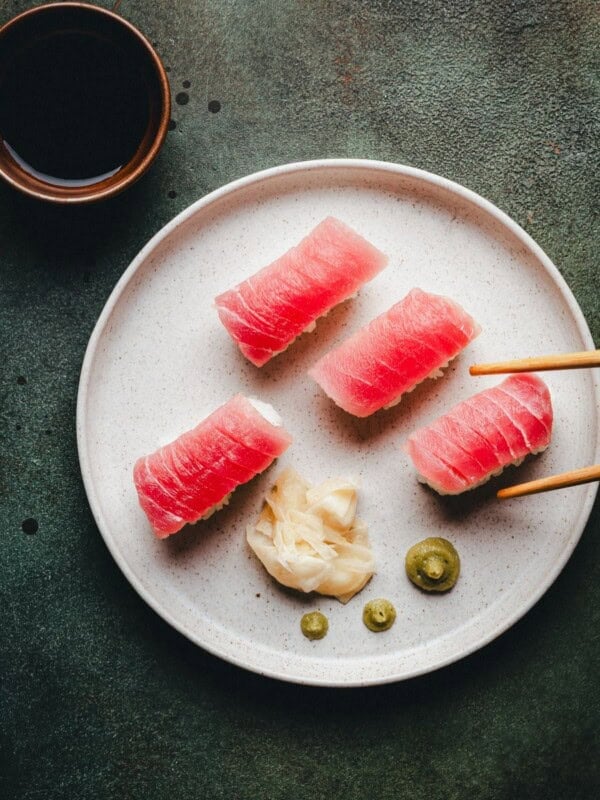
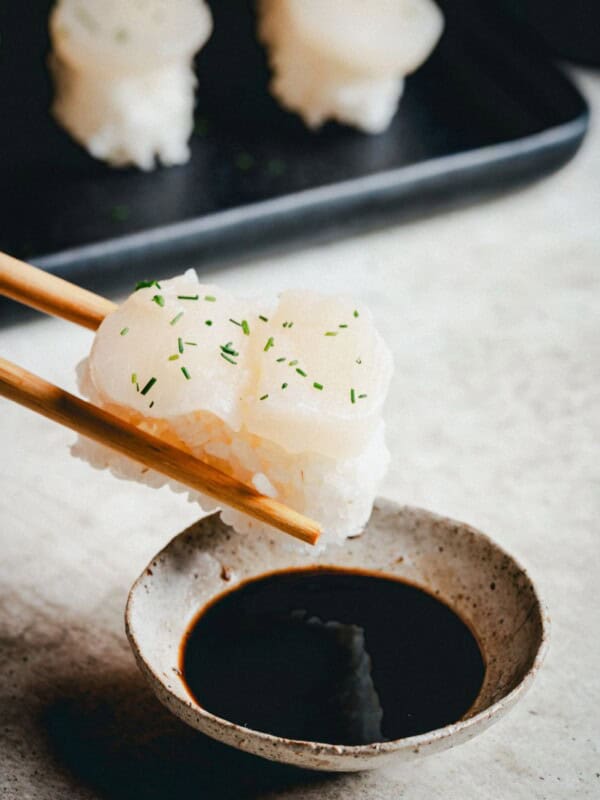
Try These Sushi Recipes Next
Sushi Rice
Video
Ingredients
- 1 1/2 cups sushi rice (short-grain white rice)
- 1 2/3 cups water
- 3 tablespoons rice vinegar
- 4 teaspoons granulated sugar or 1 tablespoon honey
- 3/4 teaspoon fine sea salt
- 1 piece dried kombu 4-by-4-inch piece
Instructions
- Add rice to a fine-mesh strainer set on top of a bowl. Rinse under cool water while gently stirring with your fingers. When the water in the bowl turns cloudy, lift the strainer with the rice and pour out the cloudy water. Return the strainer to the bowl and repeat until the water remains clear.
- Transfer the rinsed rice to a medium bowl and add the measured water; let stand at room temperature for 15 minutes.
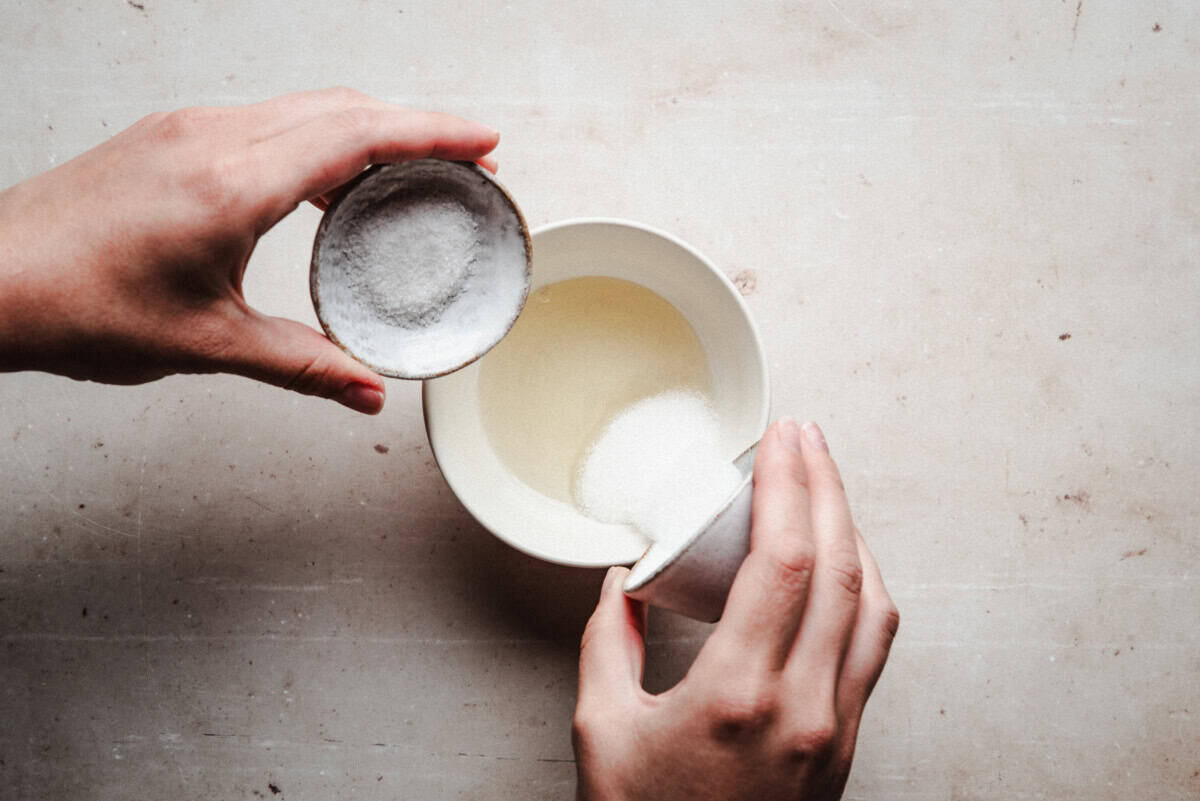
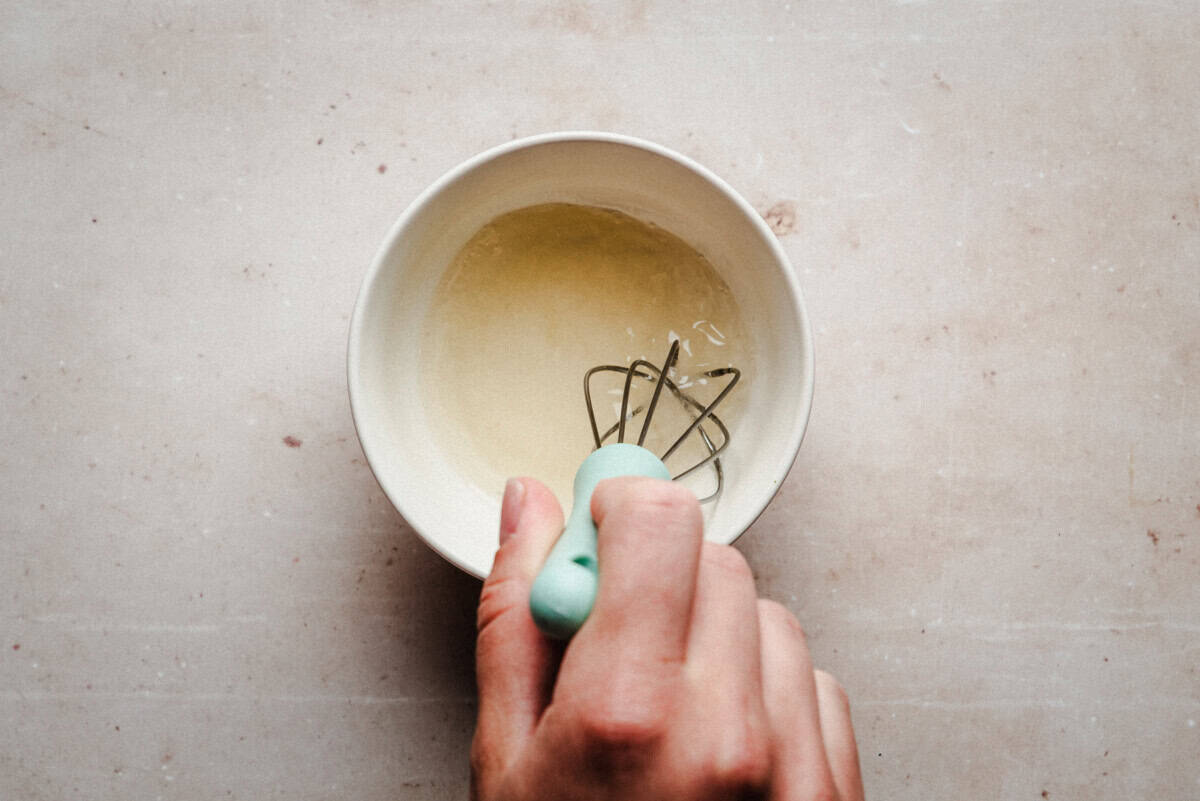
- While the rice soaks, mix the rice vinegar, sugar, and salt in a small bowl until dissolved; set aside.
- Pour the rice and soaking water into a heavy saucepan and add the kombu. Cover and bring to a boil over high heat. Once boiling, reduce heat to low and cook for 10 minutes. When the water is absorbed, remove from heat, place a kitchen towel under the lid, and let steam for another 10 minutes.
- Discard the kombu and transfer rice to a wide mixing bowl. Add the vinegar mixture and use a rice paddle to gently fold the seasoning through the hot rice, taking care not to mash the grains. Cover with a damp cloth and cool to room temperature before using for your sushi within 4 hours.
Notes
- Kombu adds subtle umami, but the recipe works without it.
- For a sweeter flavor, use up to 1½ tablespoons sugar.
- When folding in the seasoning, avoid mashing; use slicing and lifting motions to preserve the texture.
Nutrition
Nutrition information is automatically calculated, so should only be used as an approximation.


Marissa, I love your sushi series — and especially the video of making the rice. It’s beautiful. 🙂 ~Valentina.